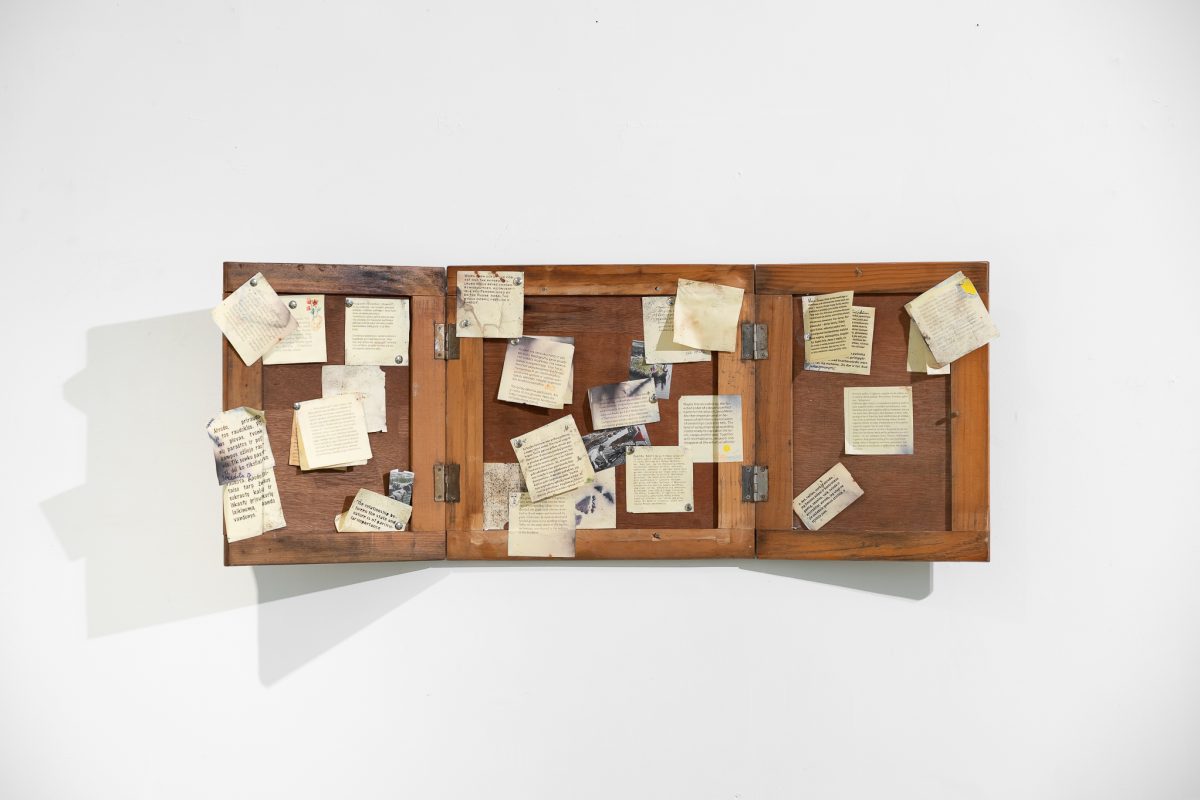
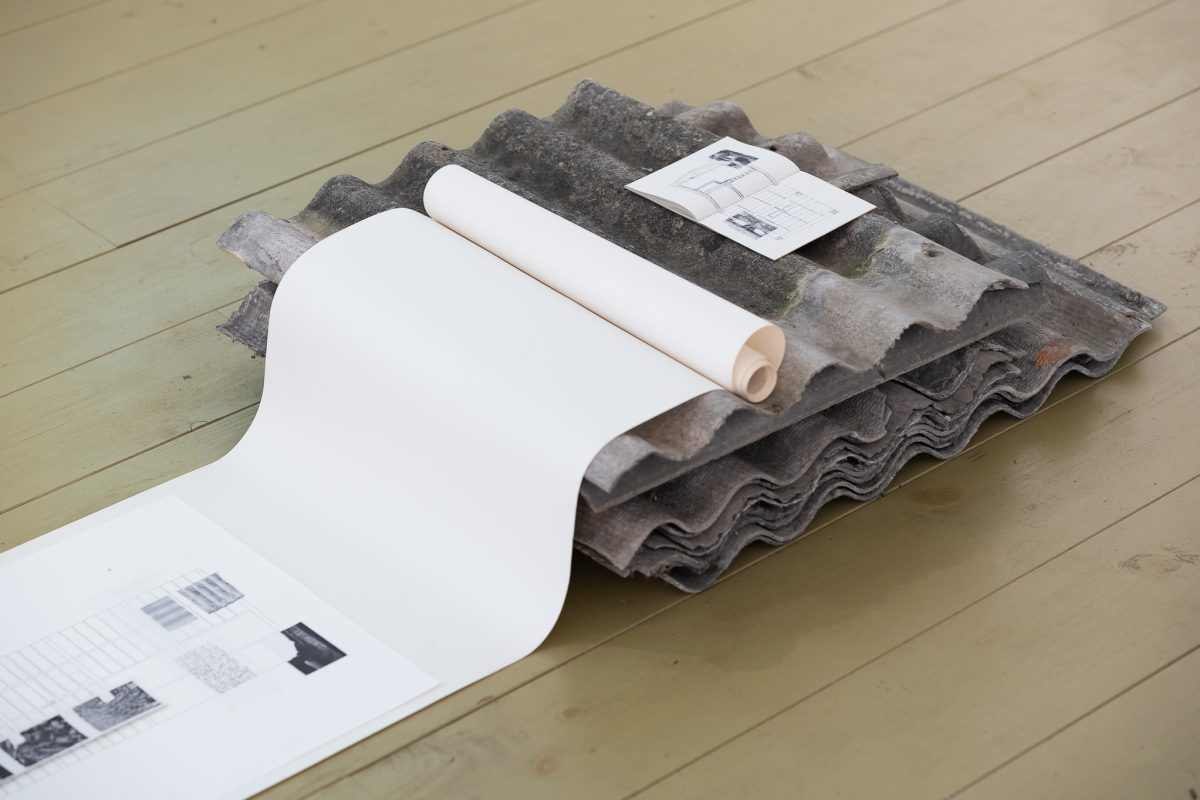
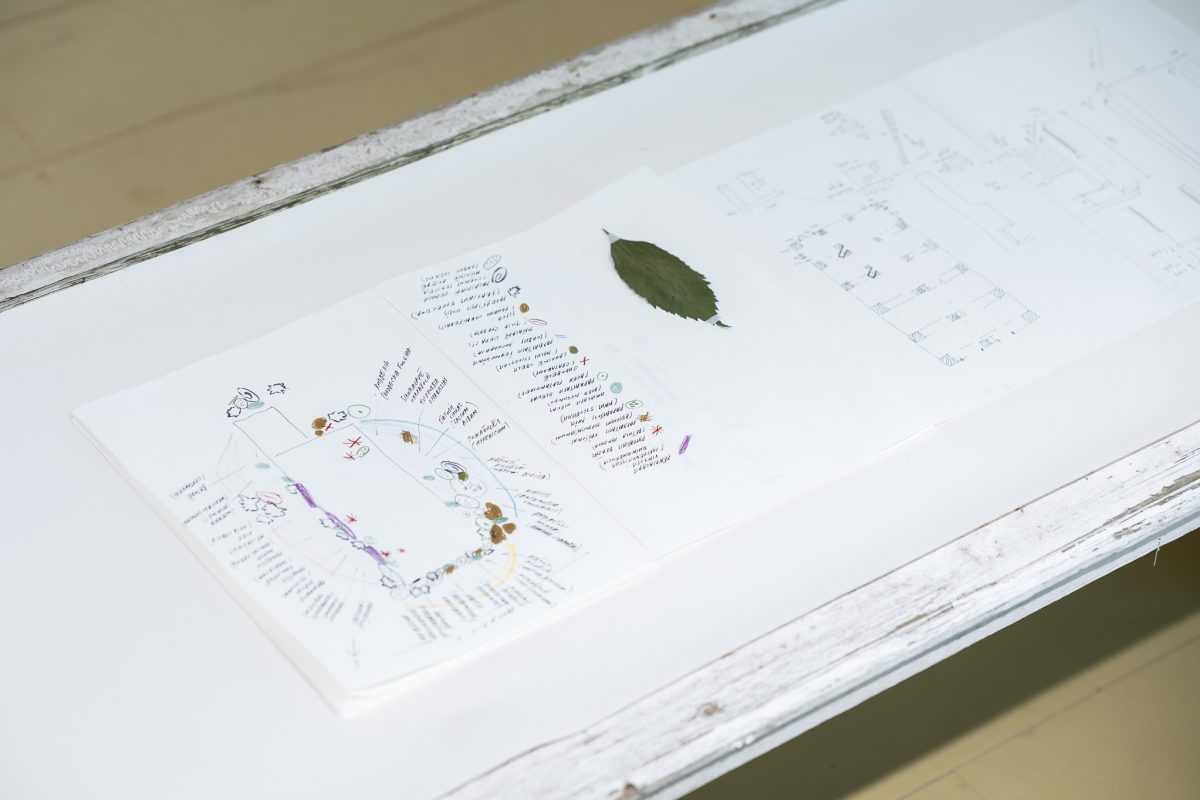
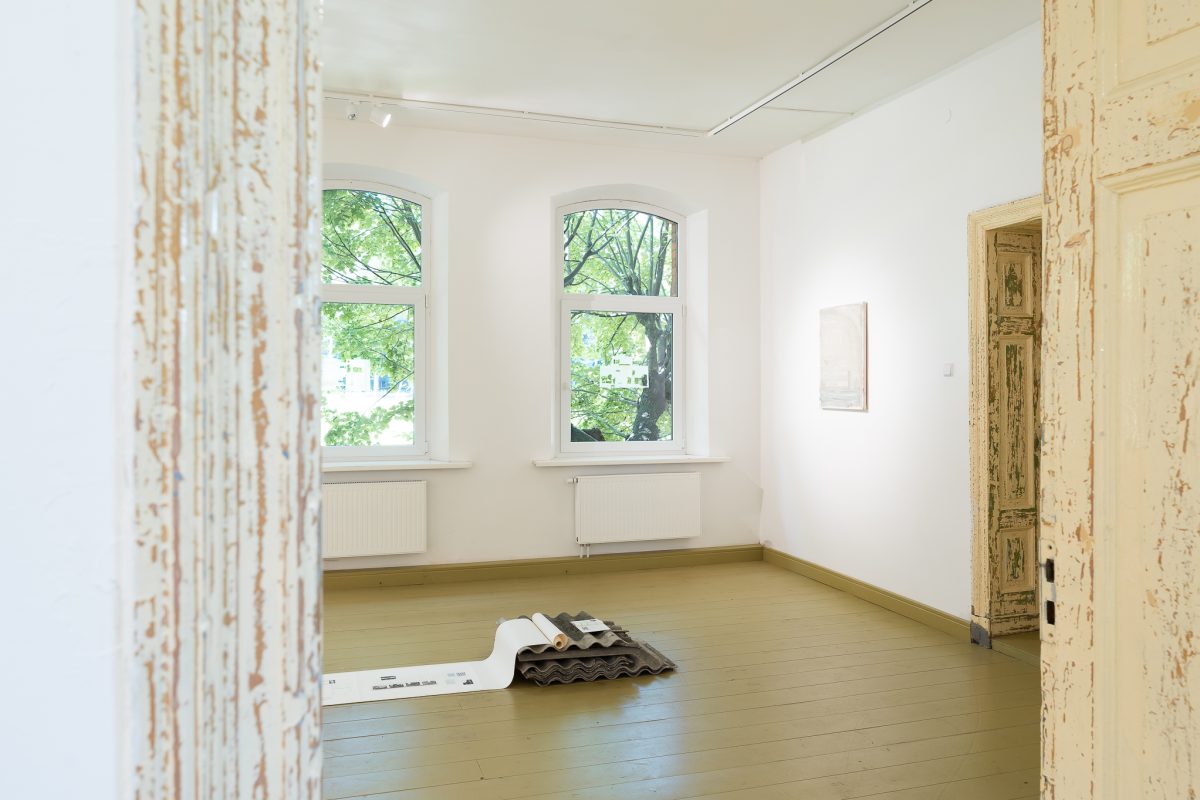
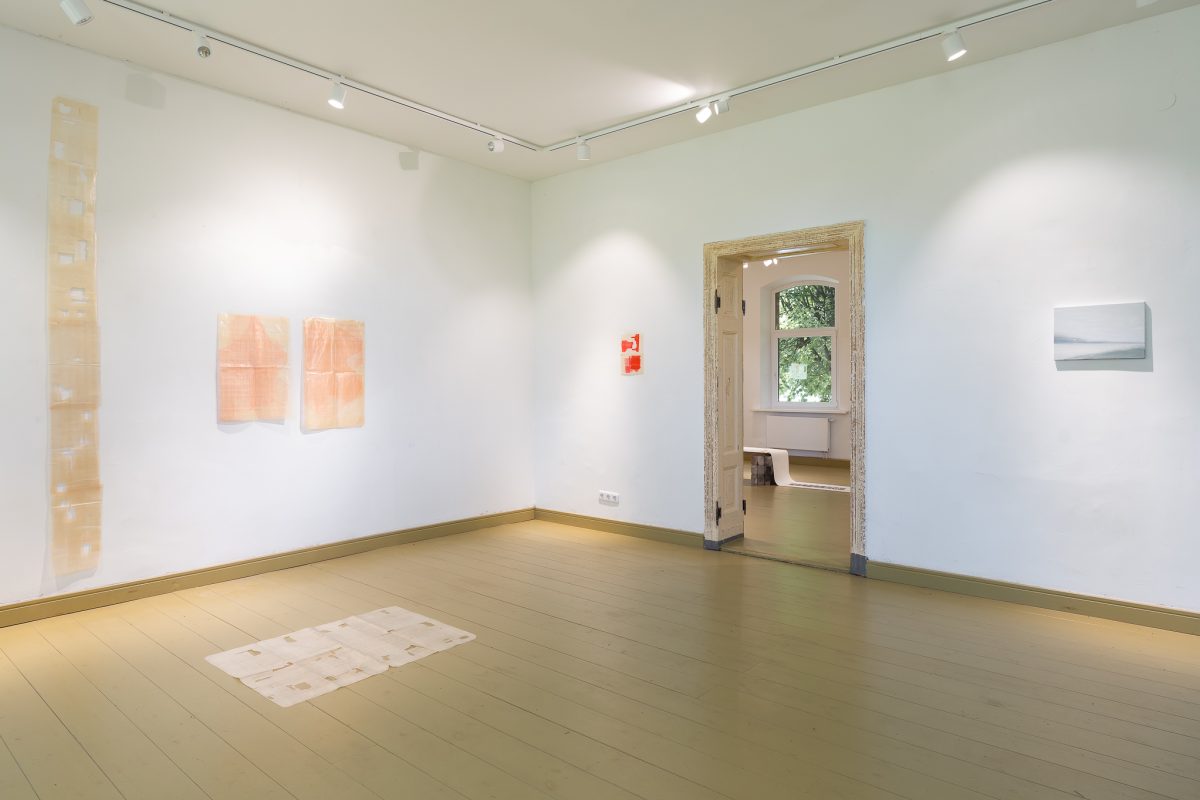
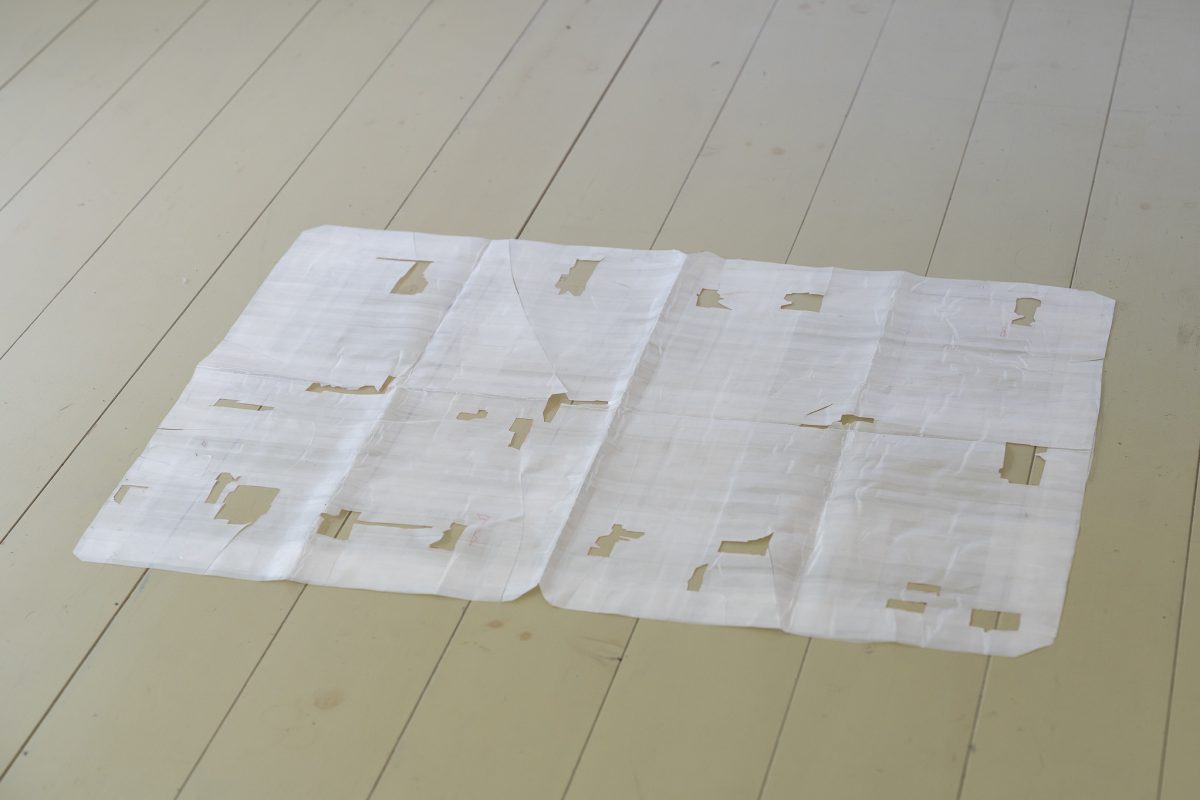
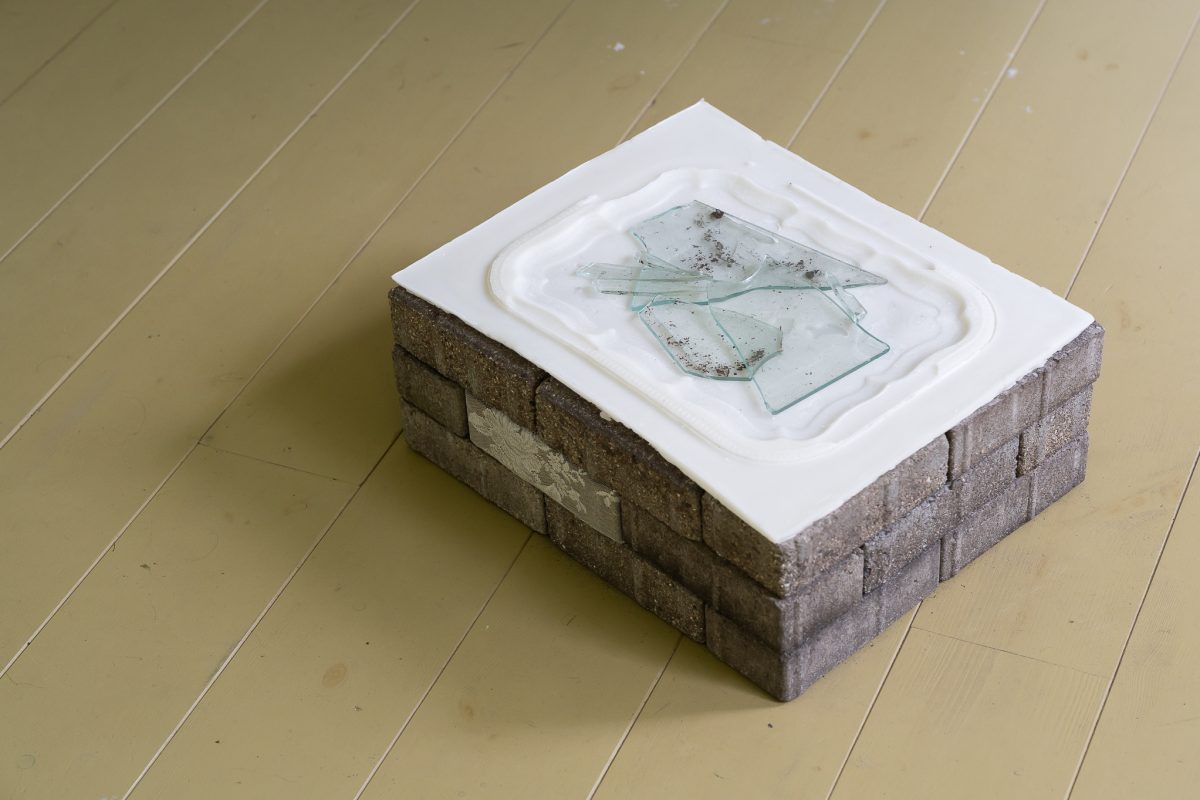
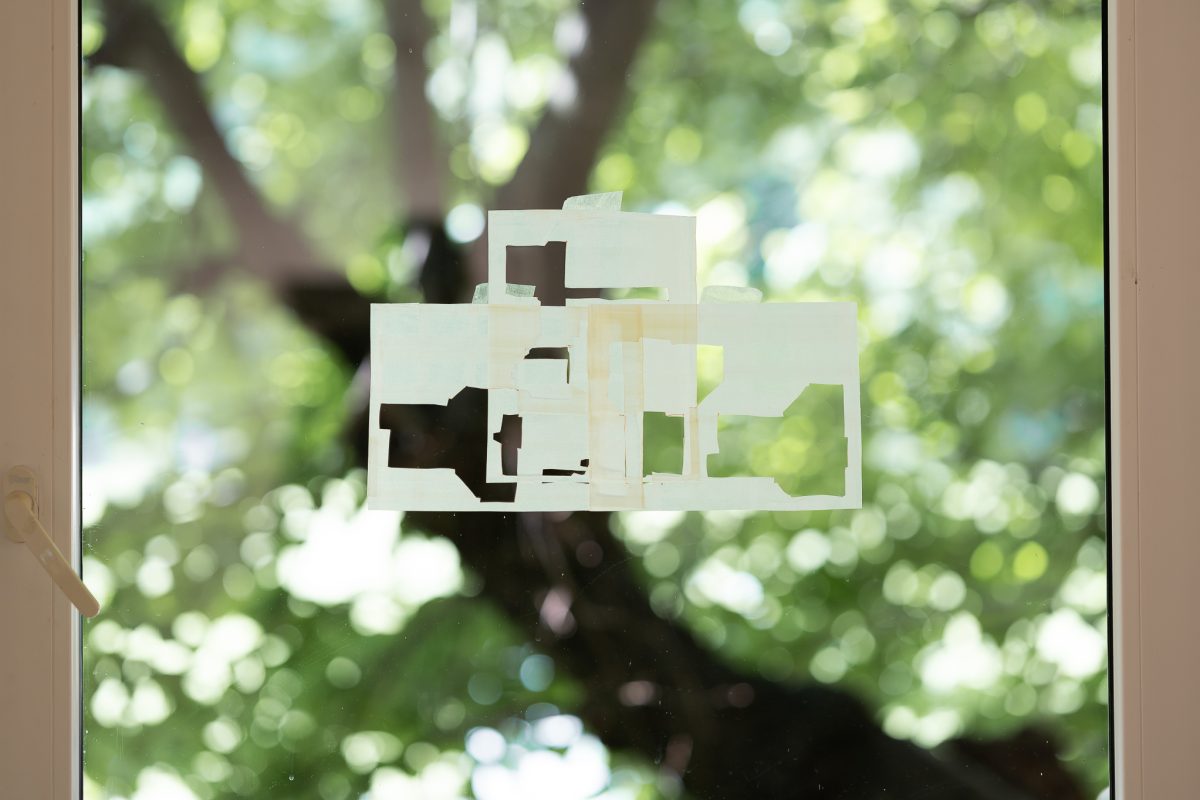
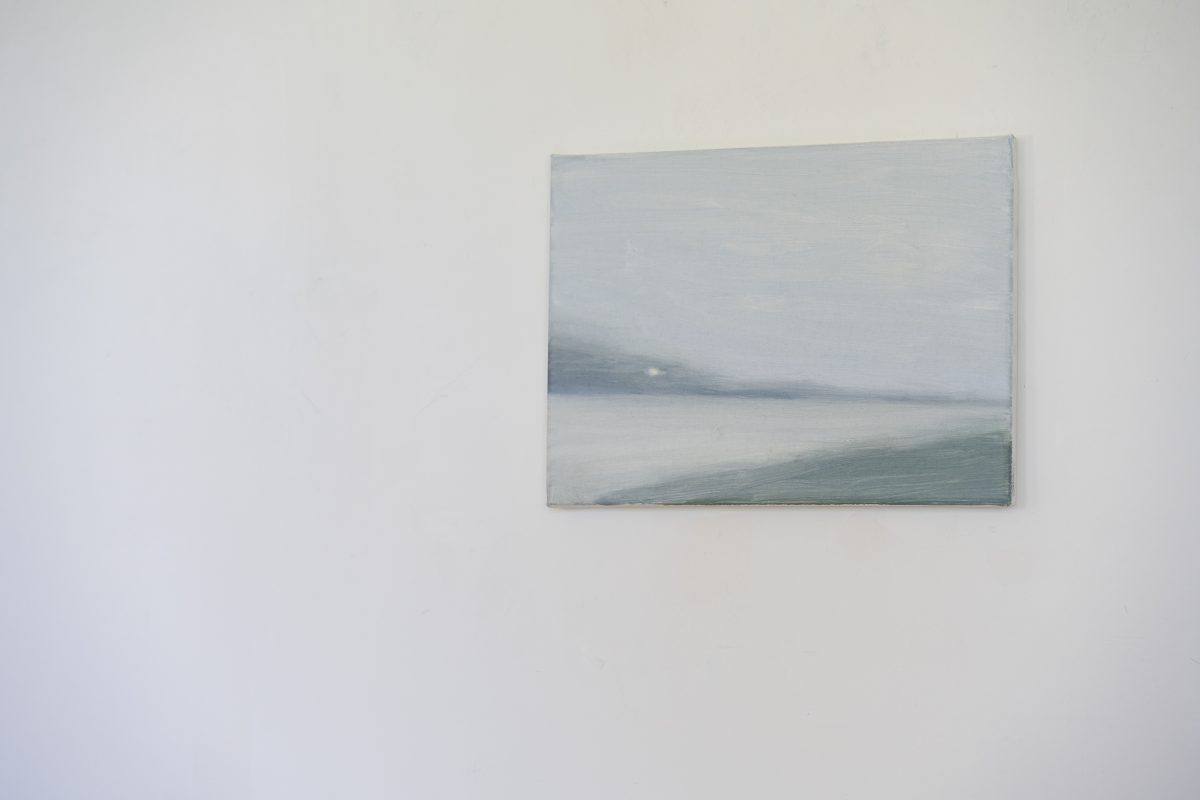
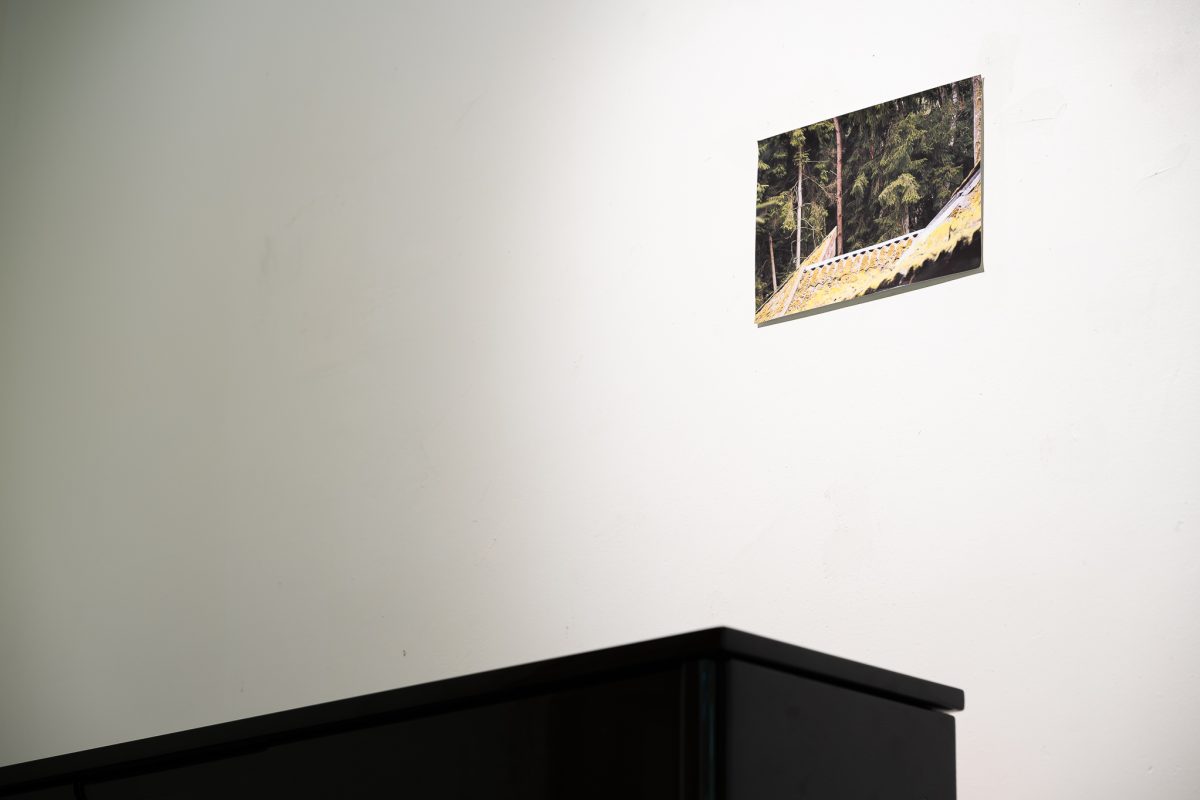
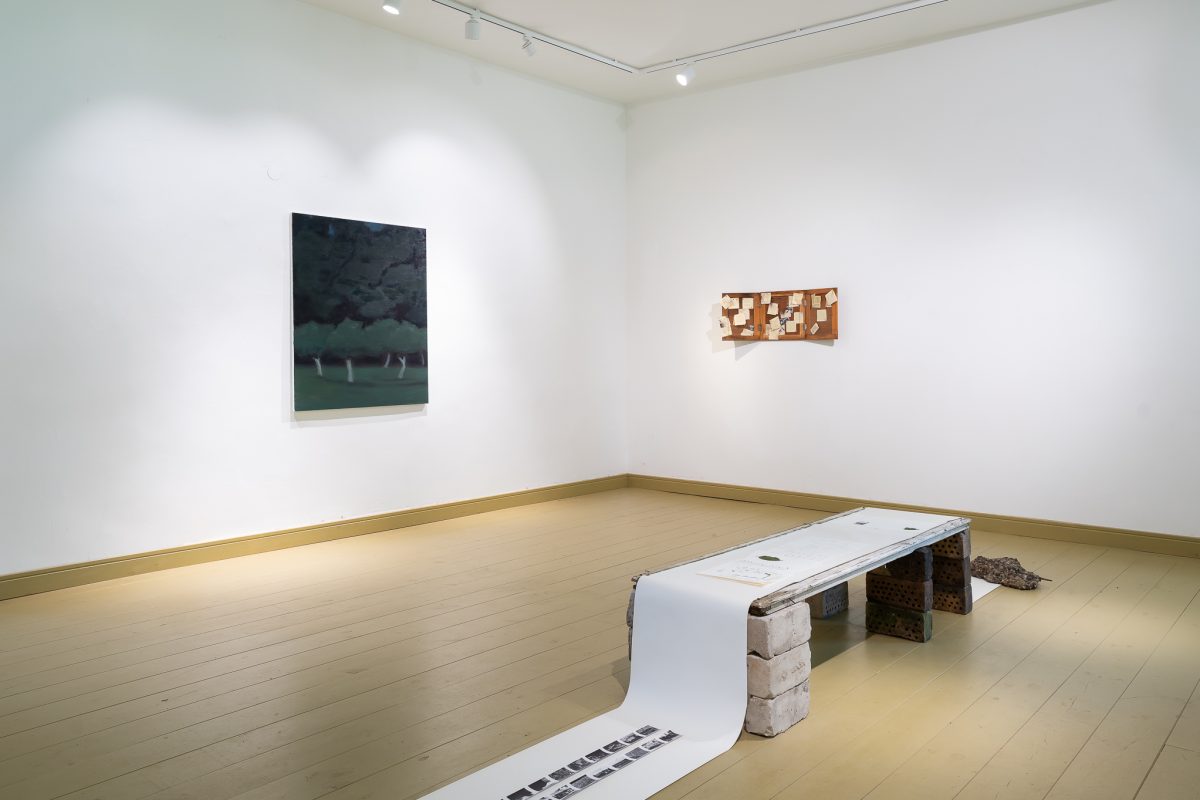
The group exhibition “Landscape Formations: Waysides” is on view at the Kintai Arts Residency gallery (Kuršių g. 30, Kintai) through September 1, 2026.
Parodos dalyviai: Taiba Al Nassar, Viktorija Kemeklė, Nico Pachali, Agnė Kulbytė, Marija Nemčenko ir Aušra Vismantaitė-Silva.
Rezidencijos programos ir parodos kuratoriai: Monika Kornilova ir Artūras Mitinas (Bakakay collective)
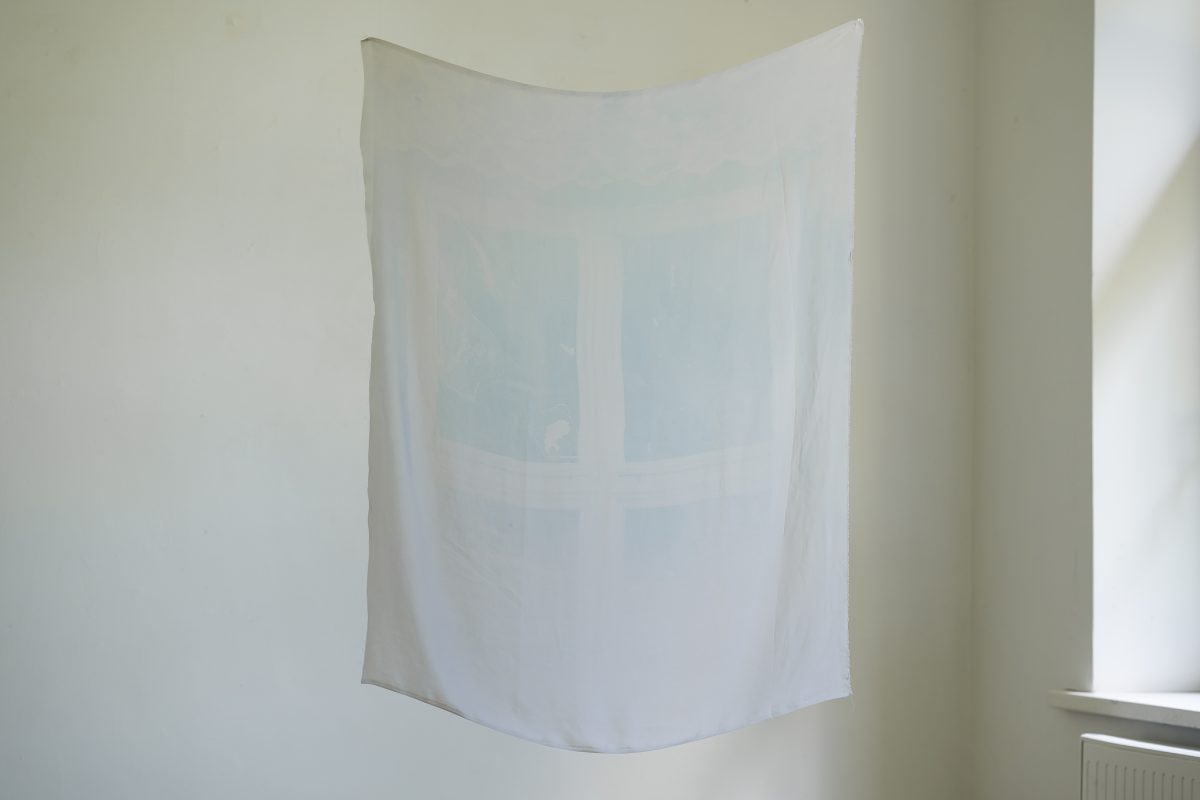
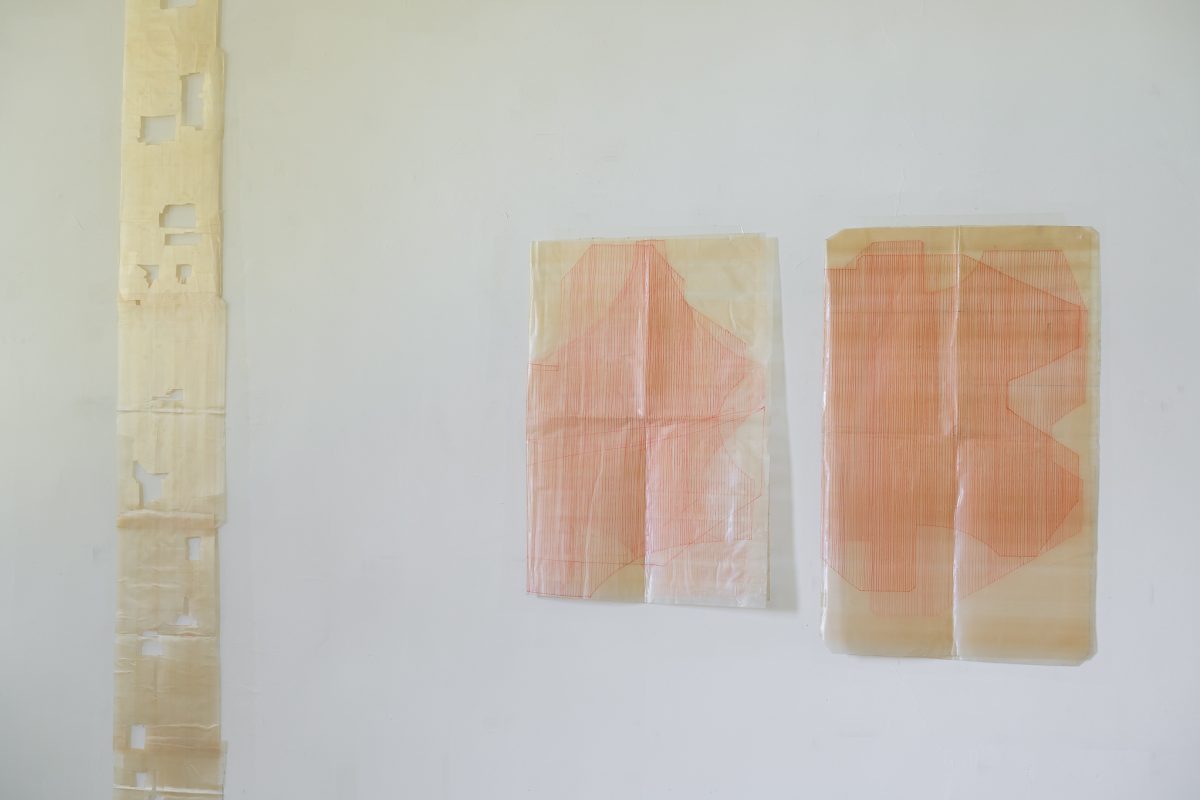
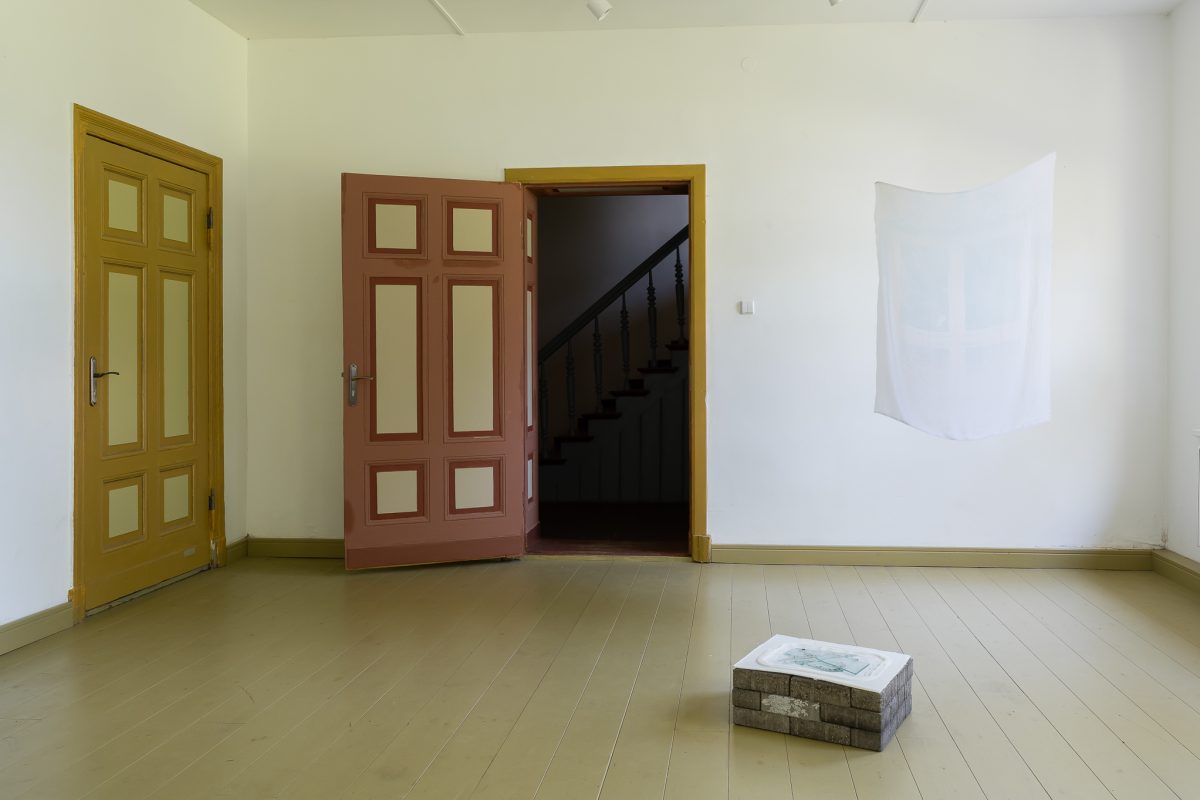
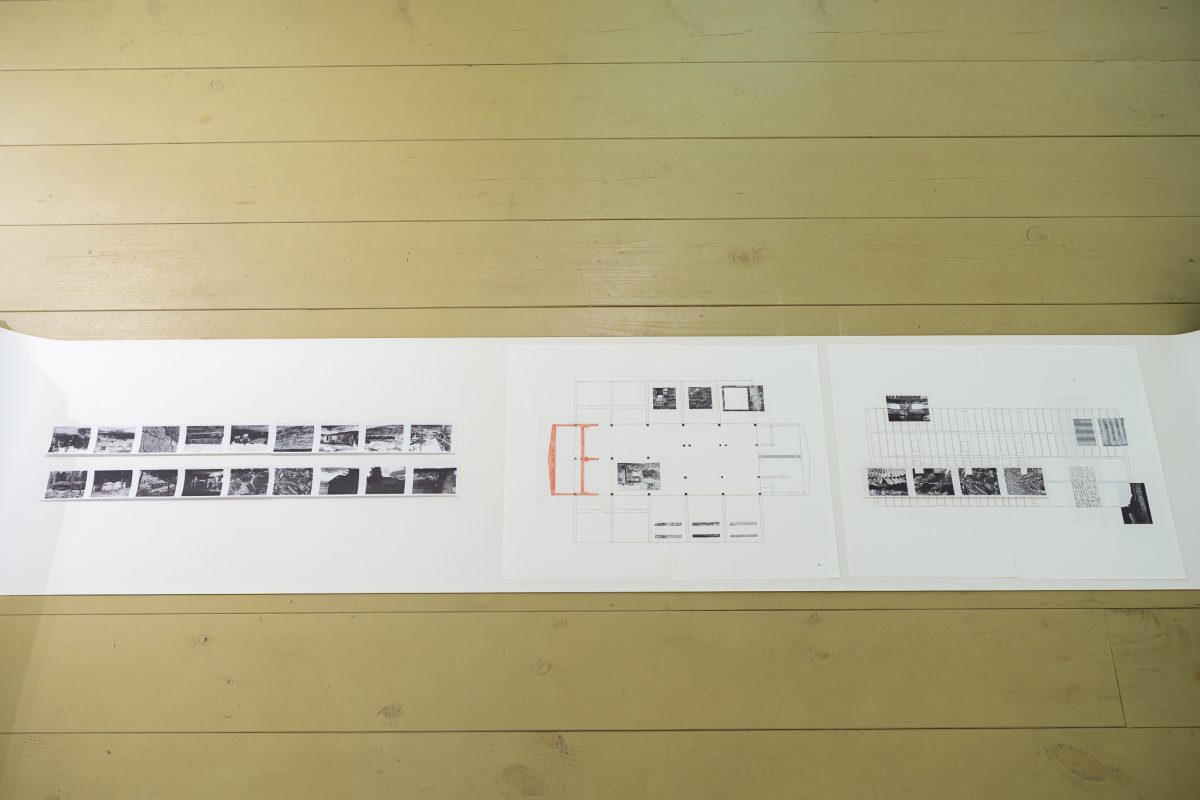
Waysides refers to the direct and metaphorical trajectories of wandering, allowing one to wander off from the usual routes and stumble upon less familiar spaces. The exhibition turns its attention to what most often remains in the periphery of our gaze: non-representational sites of the Pamarys region, abandoned or underutilized zones, materials overlooked in everyday surroundings, and the possibilities of their (re)use.
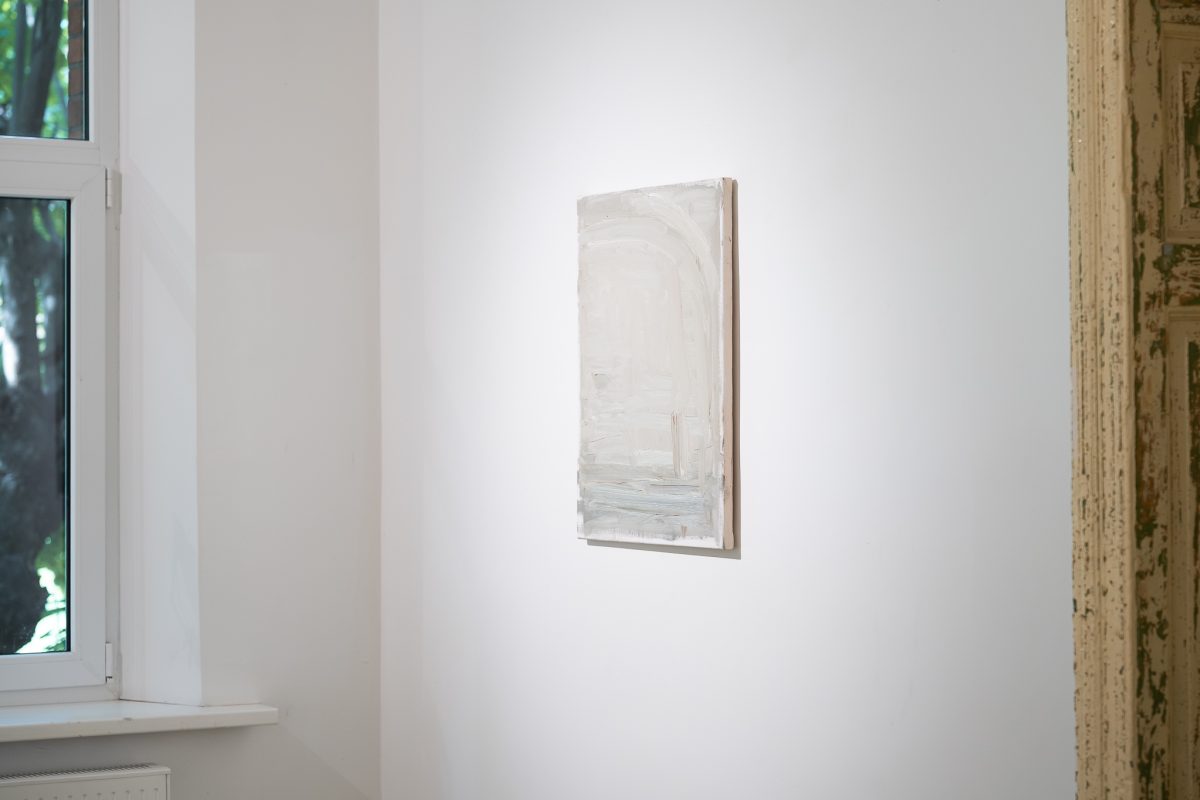
The artworks reveal the paradoxical nature of these spaces — they are abandoned yet open, unfamiliar yet engaging. Questions about the shaping of landscapes, the control of nature, architectural renewal, and the traces left by historical activities arise. The visual and non-visual landscape is understood here as something constantly changing, shaped not only by visible structures but also by experiences, movement, and projections.
“Peizažo formacijų. Pakelių” rezidencijos programa kvietė jos dalyvius pabūti su Pamariu, permąstyti jo paviršutinišką, teritoriją ar vaizdinį, apimančią sąvoką. Ši paroda – tai dvi savaites trukusios rezidencijos procesų bei apmąstymų apie galimas peizažo formavimo strategijas, matymo būdus, veikimo jame principus, rezultatai.
Pictures by: Gediminas Sass
About the artists:
Taiba Al Nassar
Taiba Al Nassar is a visual artist and researcher based between London and Kuwait. Taiba’s interdisciplinary practice engages material research, alternative photographic processes, and other tactile methods to explore the relationship between contested landscapes and their situated stories. Navigating multiple geographies, Taiba’s practice draws from local knowledge systems and counter-hegemonic archives to address environments altered by coloniality, and the peoples and processes positioned within them. She received a BA from Central Saint Martins, and is currently obtaining an MA in Fine Art Media at the Slade School of Fine Art.
Viktorija Kemeklė
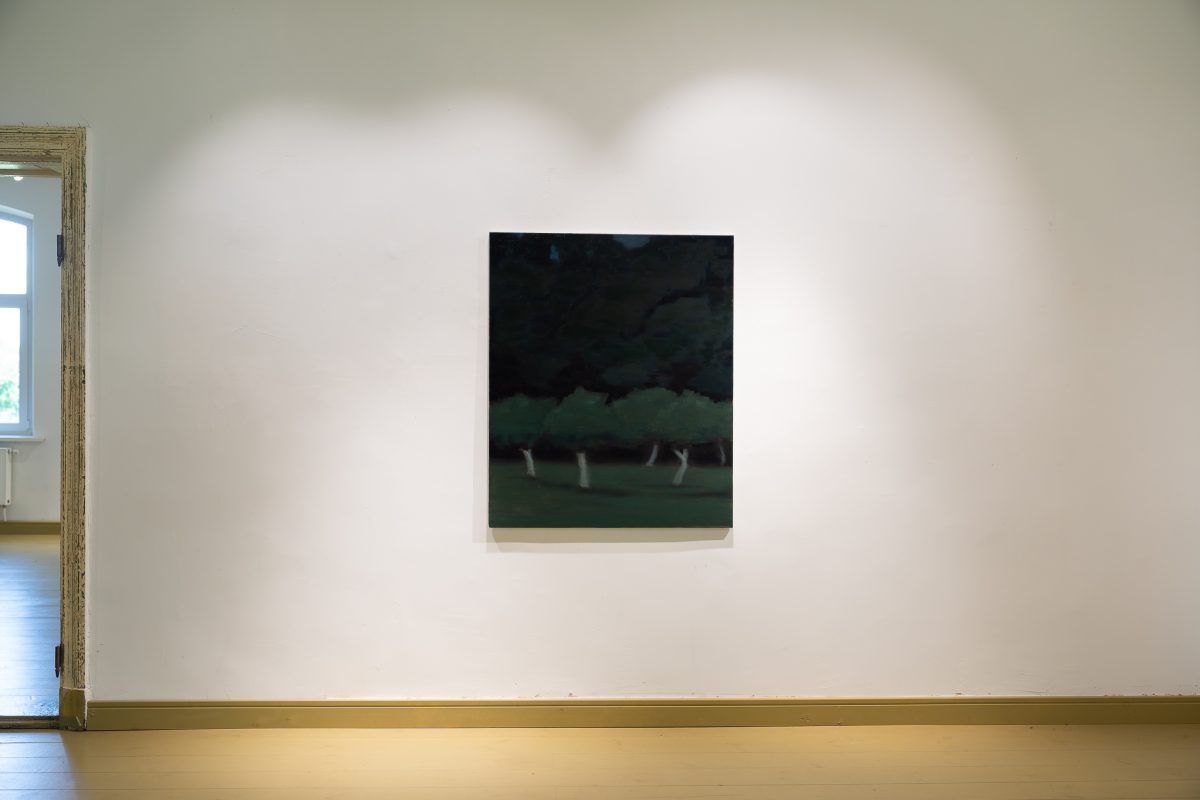
Viktorija Kemeklė is a young generation artist, painter. Lives and works in Vilnius, Lithuania. In her art practice she explores the dotted line where one unnoticeably turns into the other. The main axis of her artistic research is the fluidity of experience between distant poles: between the visible and implicit. The main motif leading through these topics are transitional spaces, urbanism and night landscapes. Through depicting light in painting, the artist defines the limits of cognition. Viktorija’s painting style is strongly influenced by artists Leon Spilliaert, Rene Magritte and Edward Hopper. Since 2020 the artist actively participates in solo and group shows. Her works have been shown in exhibitions in Vilnius, Kaunas and Klaipėda.
Marija Nemčenko and Aušra Vismantaitė-Silva
Aušra Vismantaitė-Silva lives and works between Lithuania and Mexico. Her interdisciplinary, research-based artistic practice explores landscape as a space where memory, migration, identity, geopolitical tensions, and communal relationships intersect. Recently, she has been working at a tree nursery in Northern Mexico, where she observes, studies, and propagates native and wild tree species. Listening, walking, and field research play an important role in her artistic practice. Her works emerge from audio wanderings, chance encounters and conversations, radio broadcasts, and field recordings. Drawing on these materials, she explores the connections between landscape, migration, memory, and more-than-human life, highlighting the complex relationships between ecological processes and social narratives.
Marija Nemčenko is a Lithuanian researcher and multidisciplinary artist based between Lithuania and Lebanon, with a practice in archival material, film, installation, creative and critical writing, and projects connecting socially engaged art to civic life. Her multilayered practice aims to activate the interlinks between migration, nature, and nation-states, while critically attending to constructing a ‘periphery‘, especially concerning Eastern European and SWANA geographies.
Nico Pachali
Nico Pachali is a german visual artist based in Hannover, working in the field of installation and drawing. He examines questions of space, movement in (horizontal) space and a mobile concept of sculpture through drawing, language, writing and installation. During his stay at Kintai, Nico would like to further explore the fluid, transformative possibilities and configurations within his work. Starting from the floor, he approaches spatial arrangements and installations as open, horizontal formations. In dialogue with the openness of the landscape, he wants to initiate new processes and questions both within the studio and in his drawing practice, as well as in the surrounding landscape: one aim is to develop chalk drawings that respond to the structures of the site, experiment with distances and spaces in between space and the idea of developing a spatial alphabet and/or writing system in relation to (his own) body.
Kintai Arts is funded by Lithuanian Council for Culture